Last mile transport
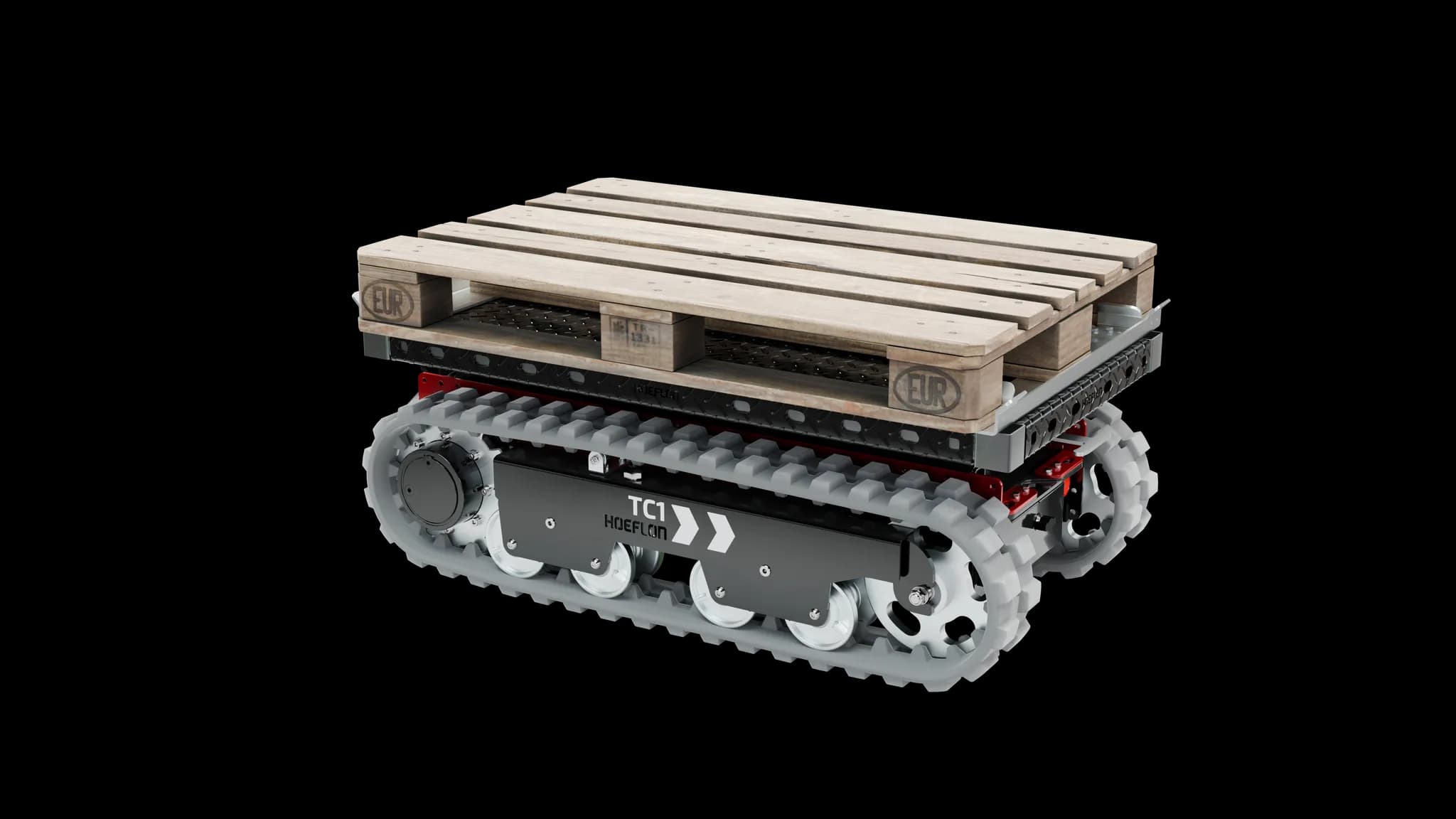
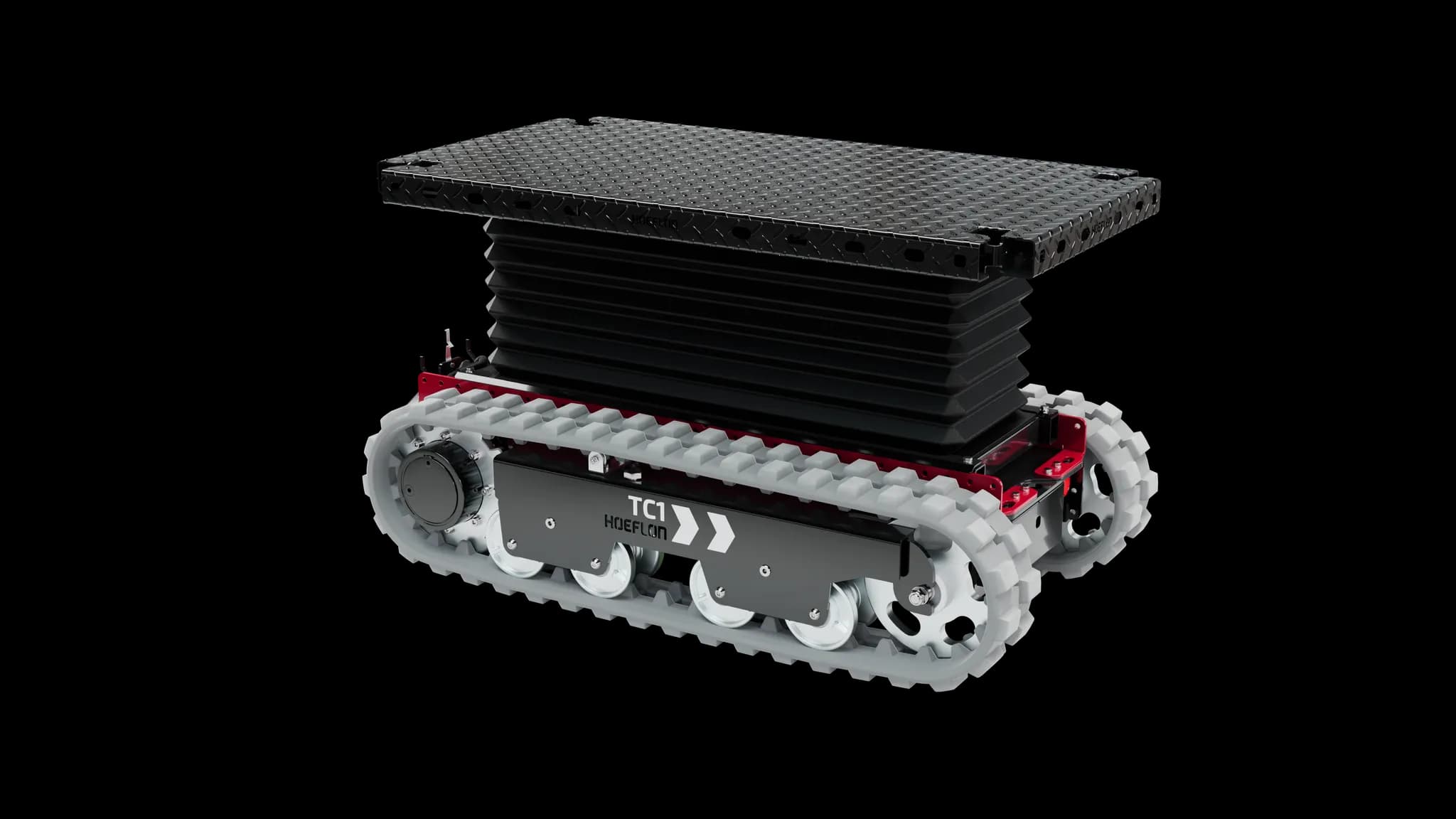
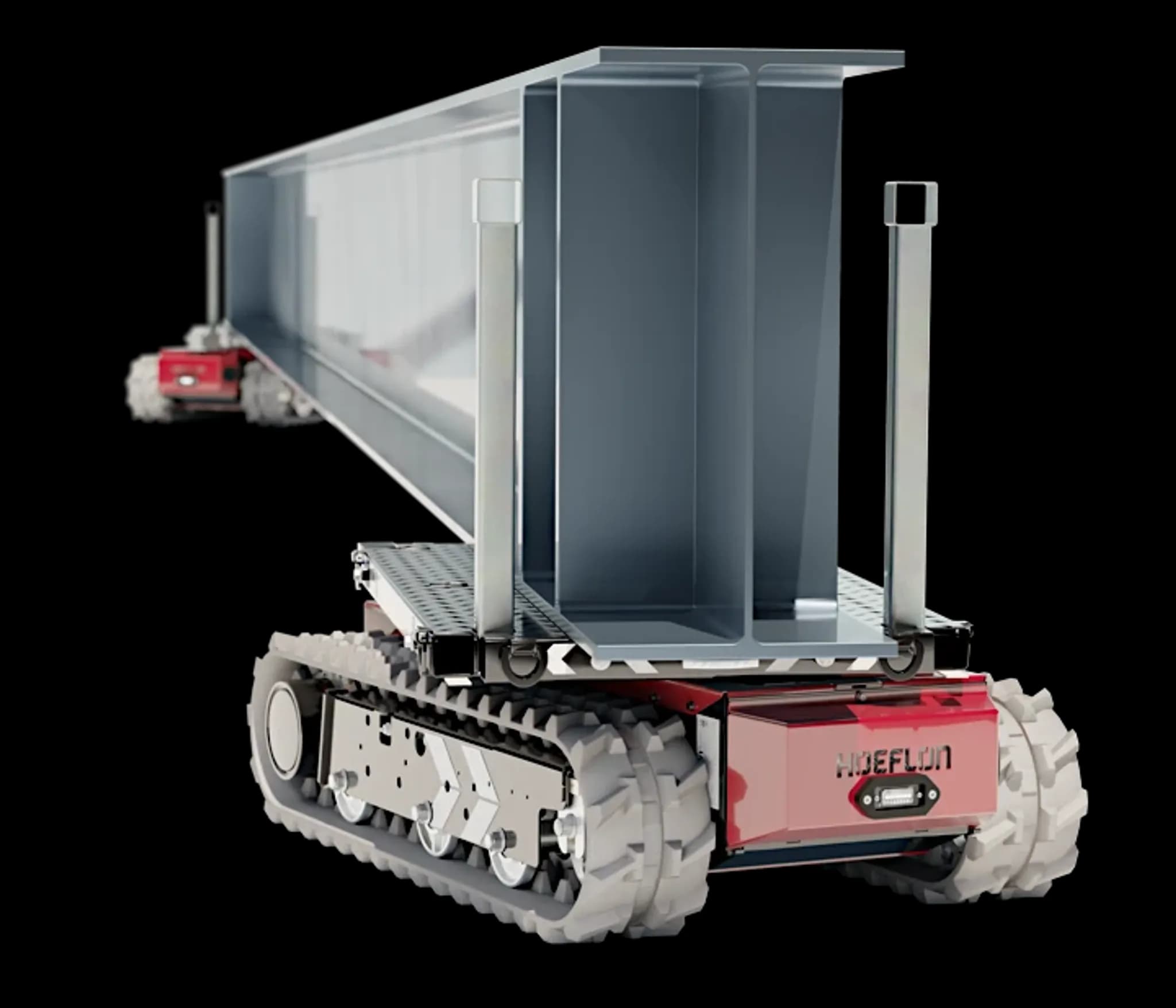
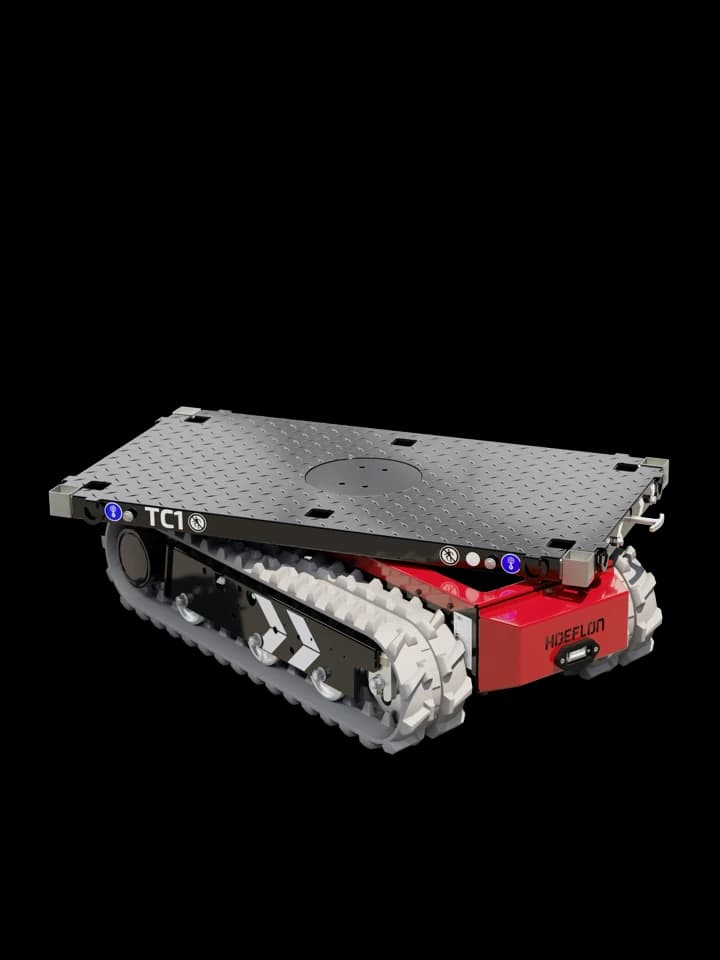
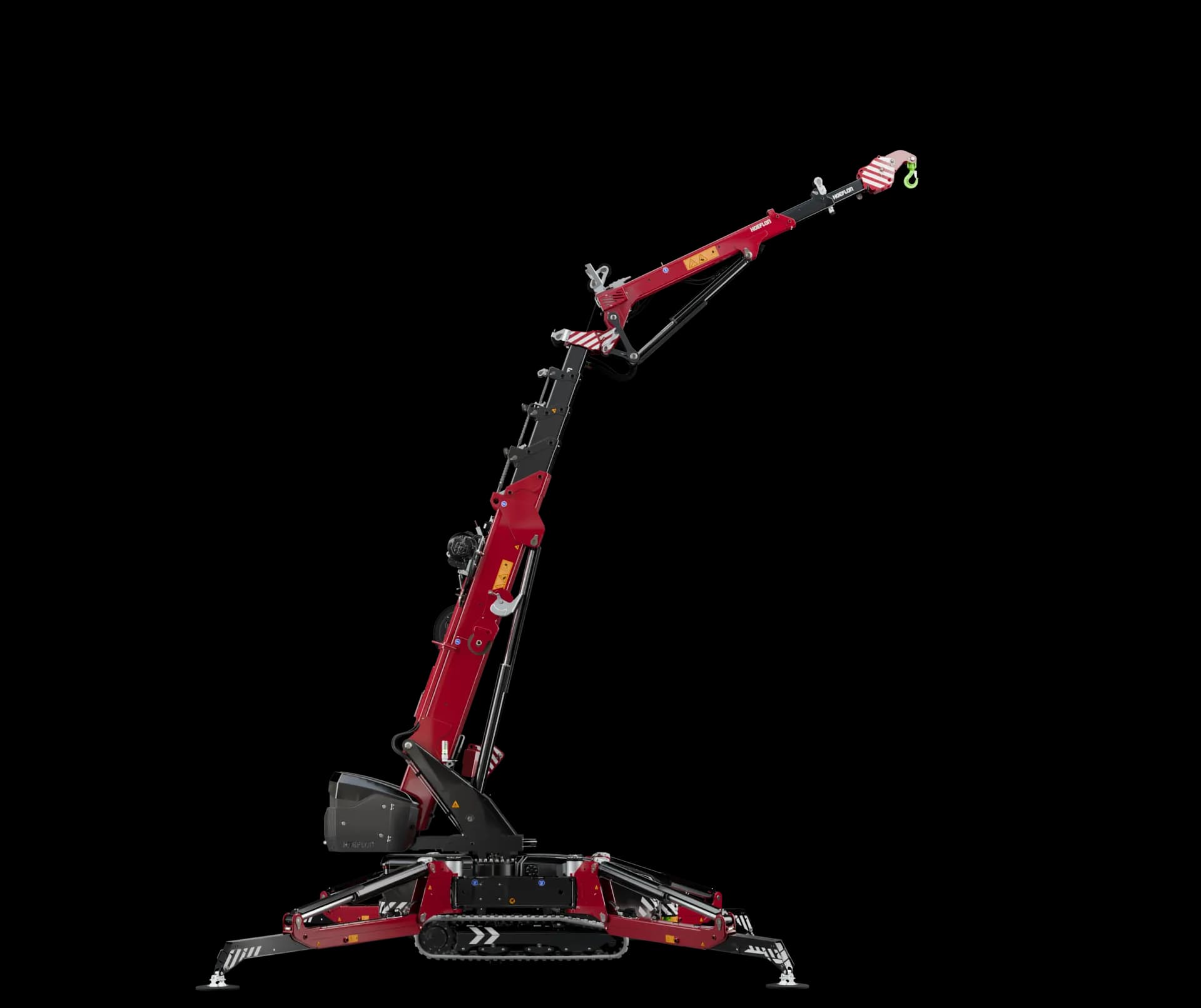
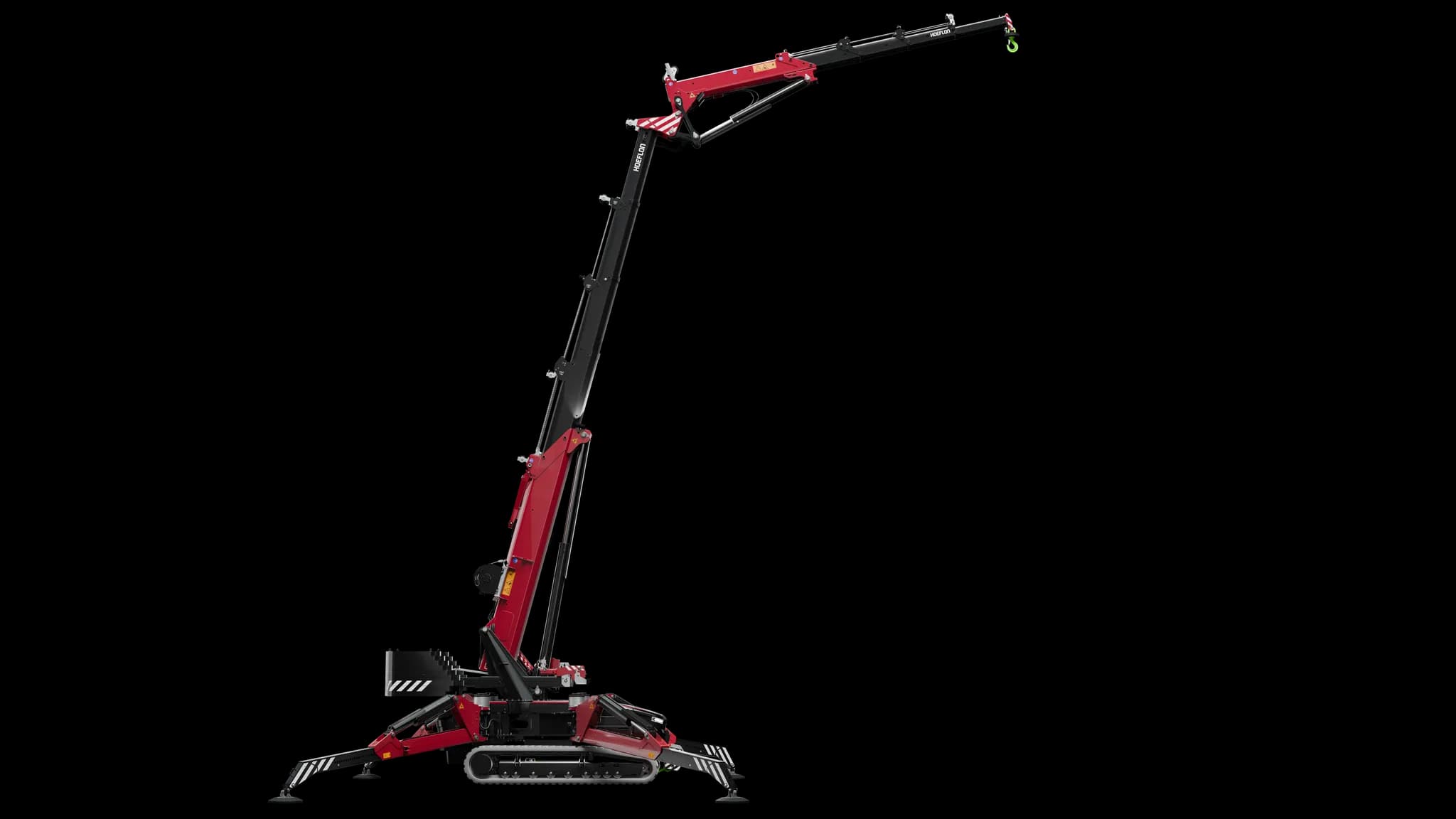
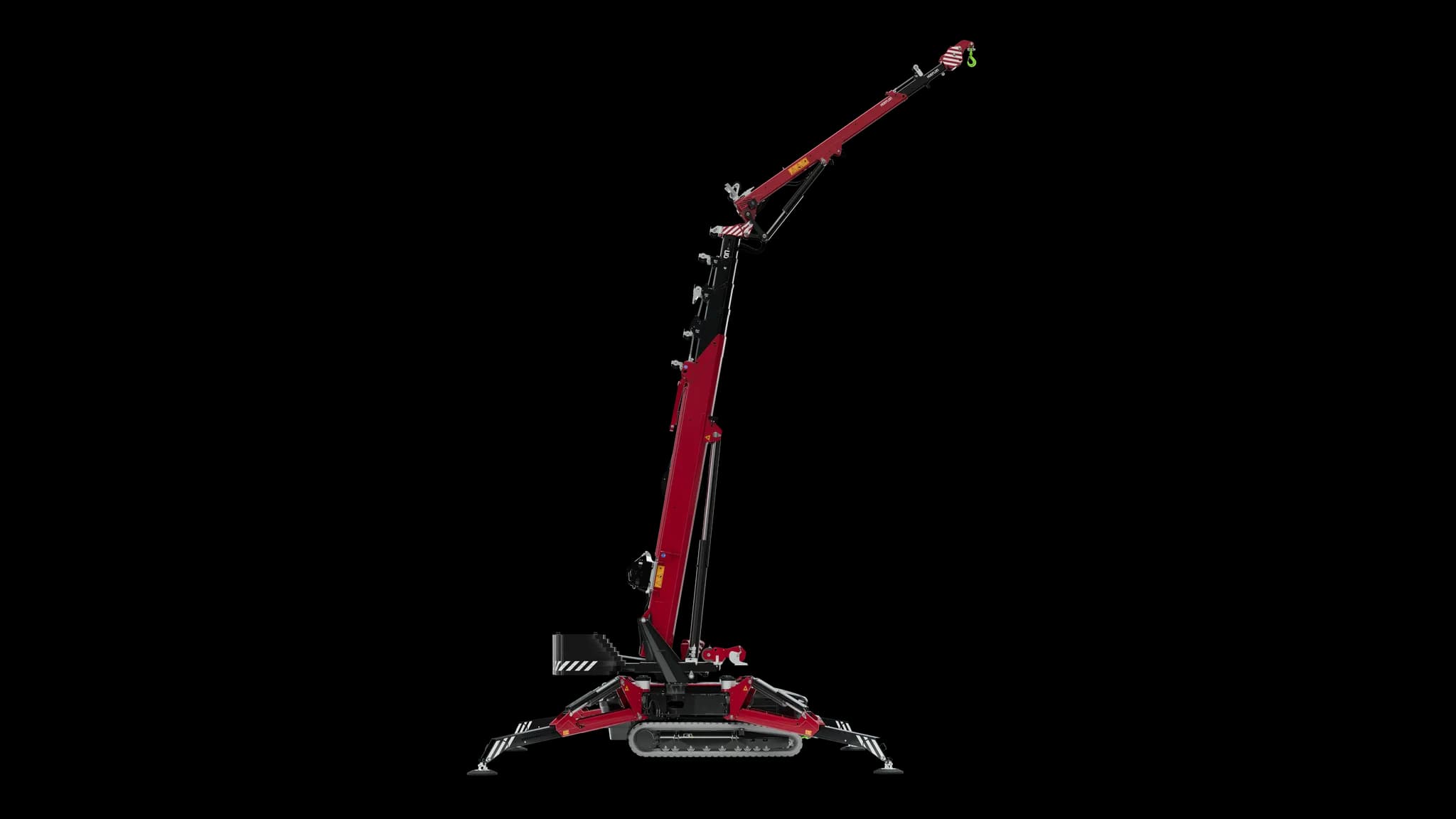
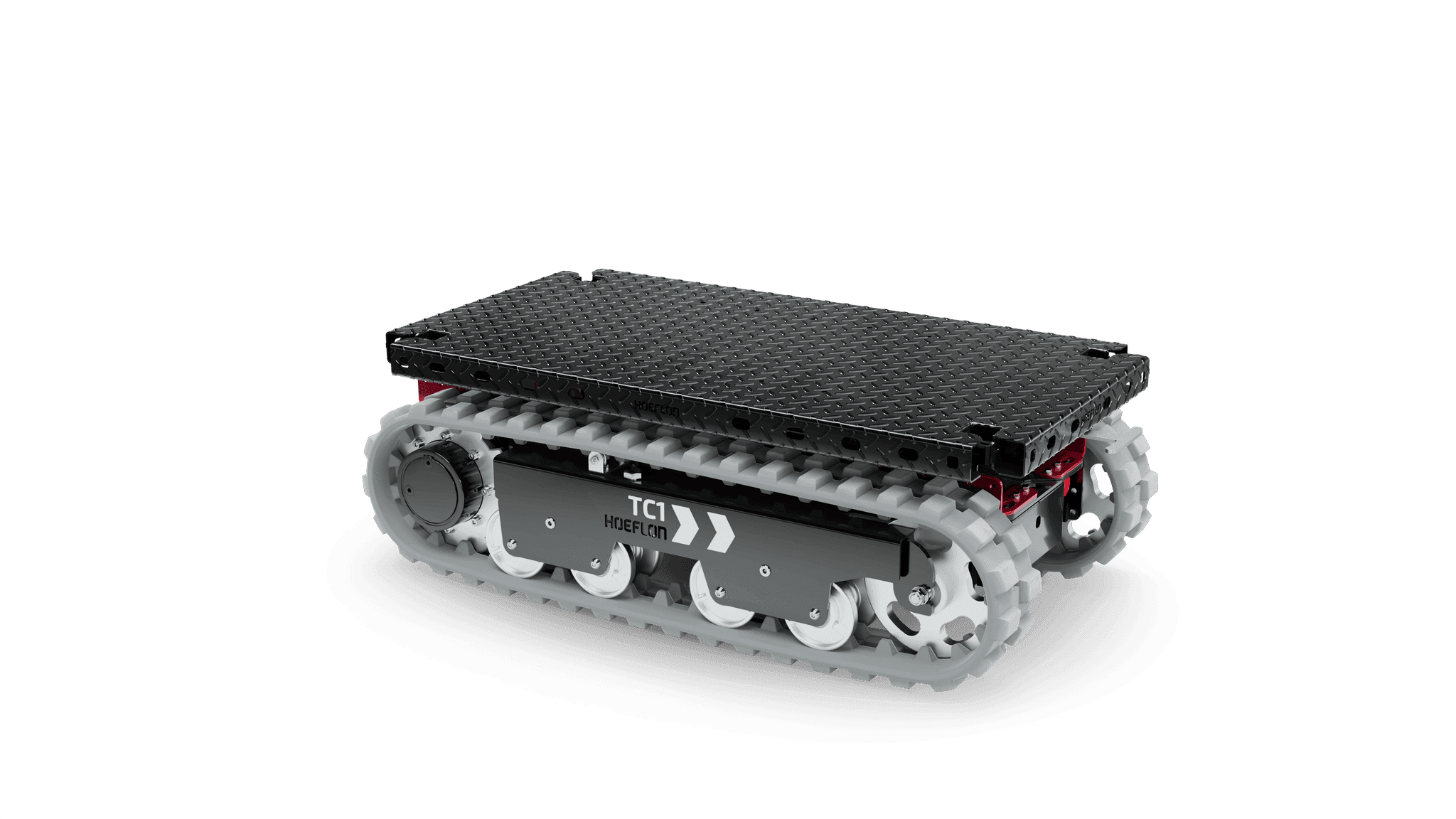
With the Hoeflon TC1, you move heavy loads over the final and most difficult part of the route: through buildings, over thresholds, past obstacles, or across terrain where larger vehicles cannot go any further. The TC1 is compact, electric, and runs on tracks for controlled transport to the destination.
For the last part of the route
The cargo is almost here. Only the hardest part remains.
Much transport proceeds smoothly up to the gate, the depot, the construction site, the entrance, or the edge of the hall. After that, the problem begins: the route narrows, the ground changes, there are thresholds or obstacles, and heavy equipment cannot go any further.
The Hoeflon TC1 was developed for that final stretch. The carrier brings heavy loads closer to where they are needed, without everything having to be done manually or heavy equipment being pushed through an unsuitable route.
The final part of transport is often the least organized.
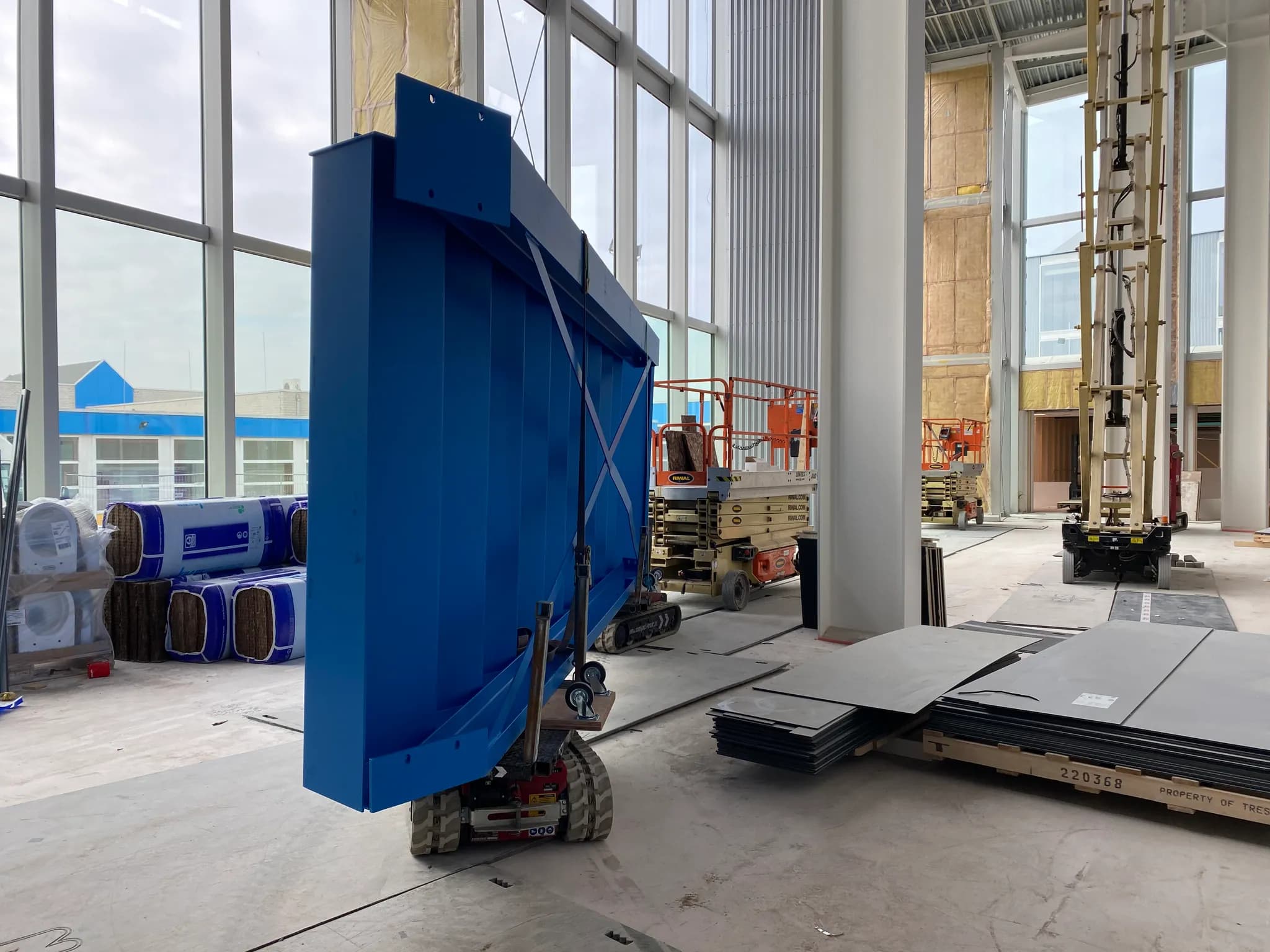
In practice, large transport often stops just a little too early. The truck, forklift, or pallet truck reaches a certain point but not the actual worksite. Then improvisation follows: manual lifting, extra personnel, temporary aids, or multiple small moves. It is precisely that final stretch that takes time and poses a risk. The route can vary by project, the ground is not always level, and the load often still needs to be positioned precisely.
• Large vehicles cannot pass through the final part of the route.
• Manual moving is heavy, slow, and difficult to scale.
• Thresholds, edges, and uneven ground make wheeled transport difficult.
• Indoor or urban transport requires quiet and clean equipment.
• Repeated transport movements require a practical, controllable solution.
The Hoeflon solution
A compact carrier for the leg between delivery and final destination
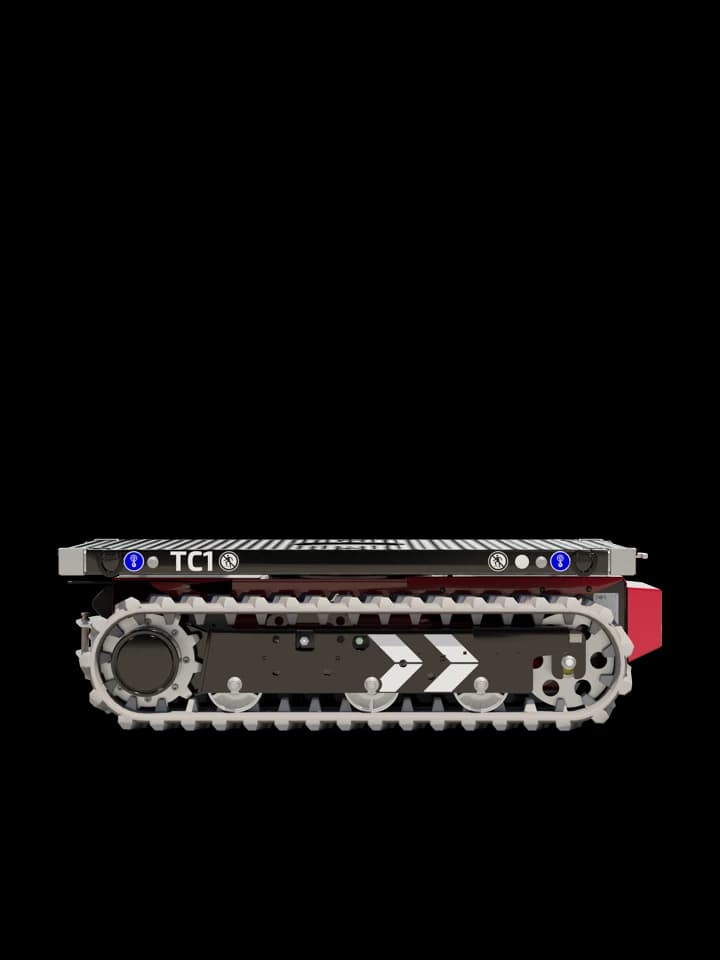
The TC1 fills the gap between large-scale transport and manual labor. With a width of 700 mm, the carrier can navigate narrow routes. The crawler drive assists on thresholds, edges, and uneven ground. The electric drive enables deployment indoors, in depots, and in environments where noise or emissions must be kept to a minimum.
For last-mile transport, this means: less reliance on manual labor, fewer transfer points, and more control over the route to the final destination.
Why Hoeflon: Compact transport power for non-standard routes
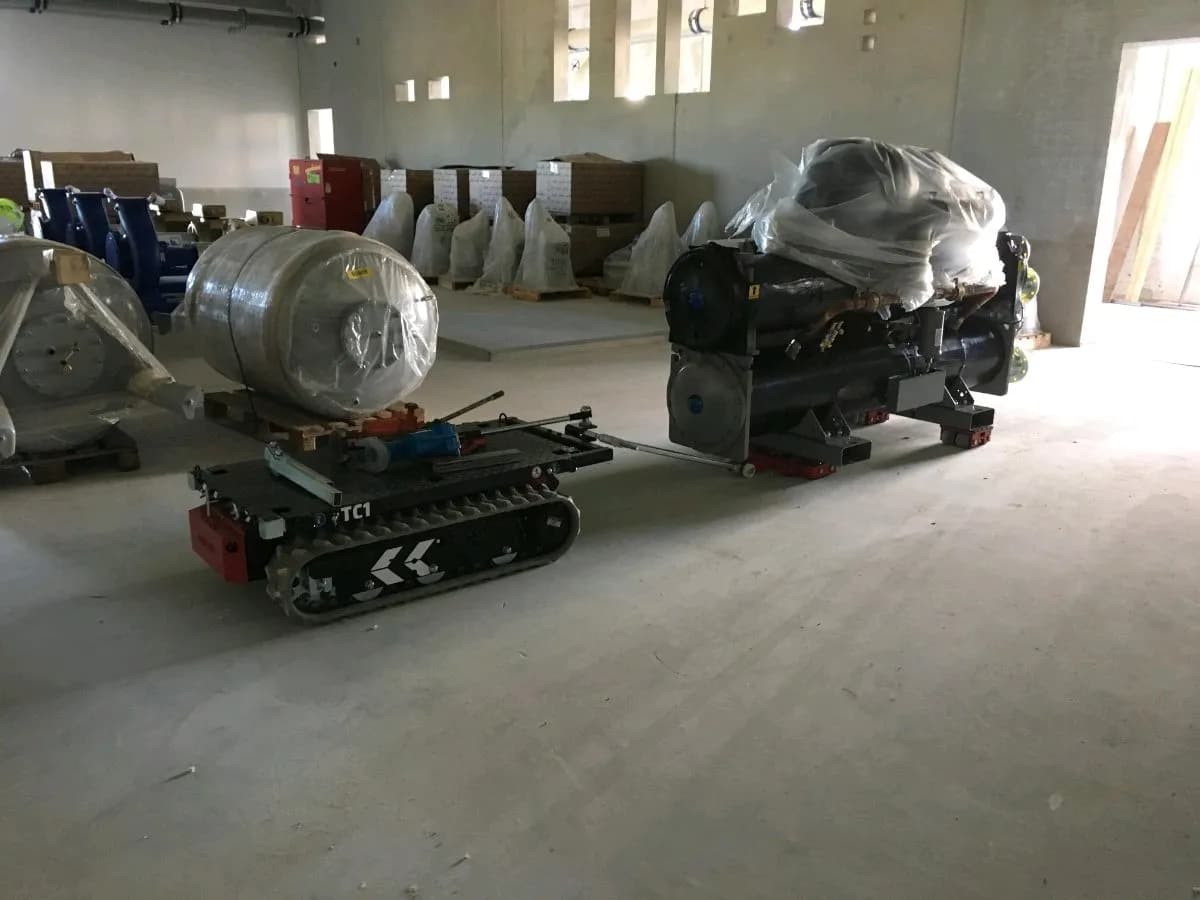
Hoeflon builds compact machines for situations where weight, space, and control come together. This suits last-mile transport, precisely because conditions often change in that area: the route is not designed for heavy equipment, yet the load must be delivered safely and efficiently to the right place.
The TC1 is an electric transport carrier that is strong enough for serious equipment yet remains compact enough for challenging routes. As such, it is not a generic solution for every type of transport, but rather a practical machine for the part where standard transport stops.
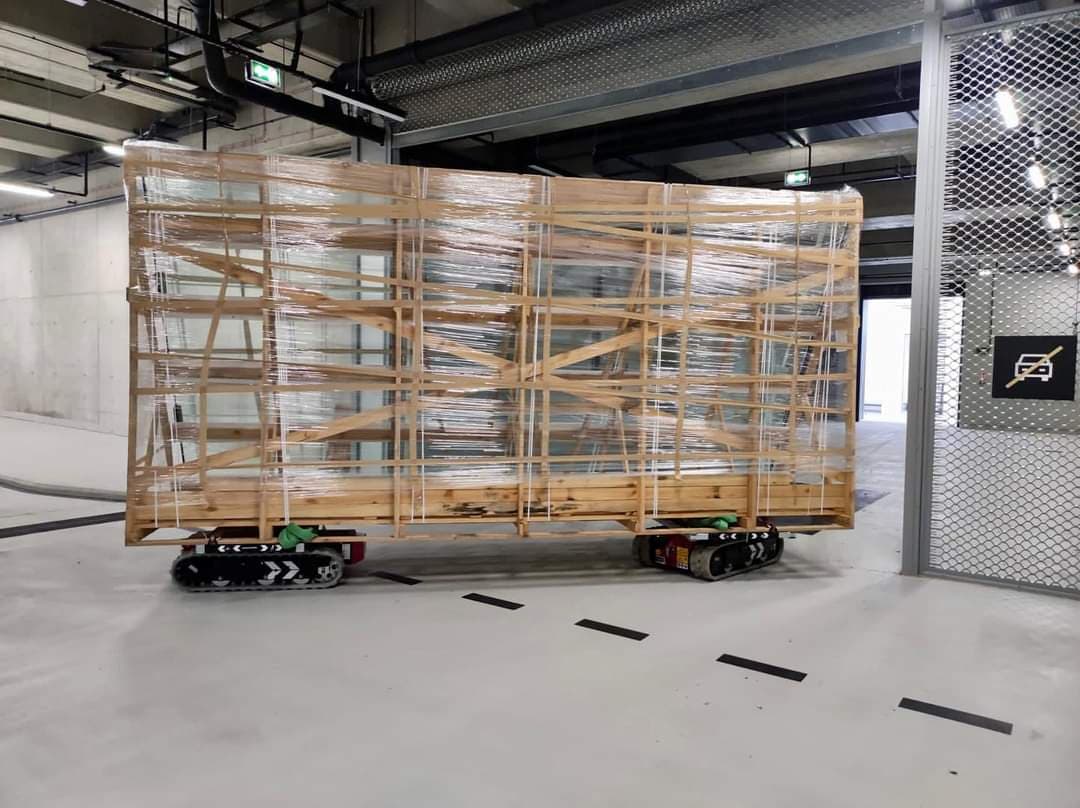
Bridges the gap after heavy transport
The TC1 takes over the section where a truck, forklift, or pallet truck cannot go any further.
Compact due to limited routes
With a width of 700 mm, the carrier can pass through many passageways, corridors, and project routes.
Grip on bumps and uneven surfaces
The caterpillar drive helps on routes that are not flat or standard.
Electrical in buildings and depots
The TC1 operates quietly and cleanly, without fuel logistics or exhaust fumes on the route.
Why TC1
The TC1 is well-suited for last-mile transport because it does not exacerbate the problem. It remains compact, drives in a controlled manner, and can still carry heavy loads. As a result, it is suitable for routes where a forklift, pallet truck, or vehicle cannot go any further.
What this concretely delivers:
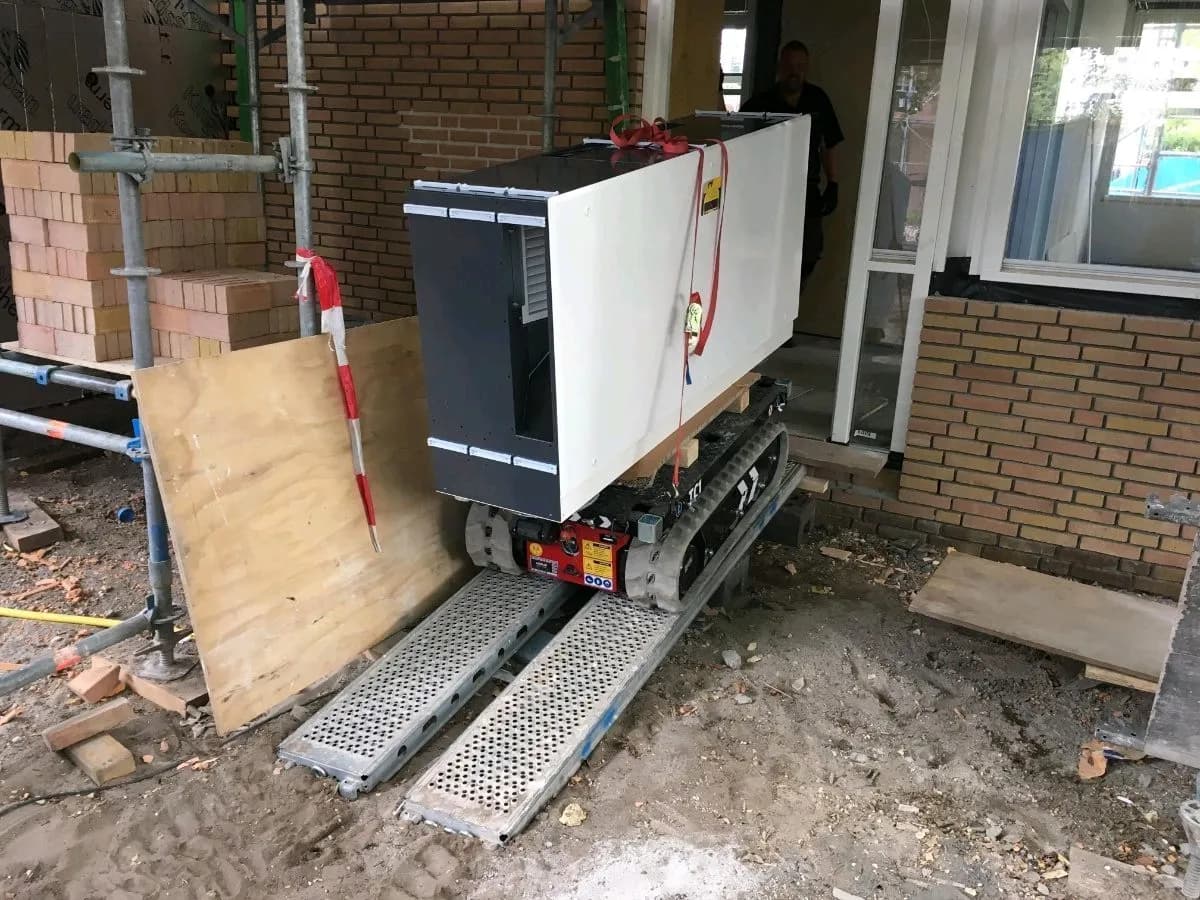
700 mm wide
usable through narrow passages, corridors, and limited routes.
1000 kg capacity
suitable for heavy goods, parts, or materials.
Crawler drive
Grip on bumps, edges, slopes, and uneven surfaces.
Electrically powered
Quiet and clean in buildings, depots, and urban routes.
Remote RC6
Overview of turns, obstacles, and the load.
CAN bus
Interesting for future repeated or integrated transport movements.
Why this works
Less manual labor between delivery point and final destination
Bridging the gap after heavy transport
The TC1 takes over the section where a truck, forklift, or pallet truck cannot go any further.
Compact due to limited routes With a width of 700 mm, the carrier can pass through many passageways, corridors, and project routes.
Grip on thresholds and uneven surfaces The crawler drive helps on routes that are not flat or standard.
Electric in buildings and depots The TC1 operates quietly and cleanly, without fuel logistics or exhaust fumes along the route.
Reduced physical strain Heavy loads require less carrying, pushing, or moving in parts.
Suitable for repetitive movements For recurring transport tasks, the carrier ensures a consistent, controllable workflow.
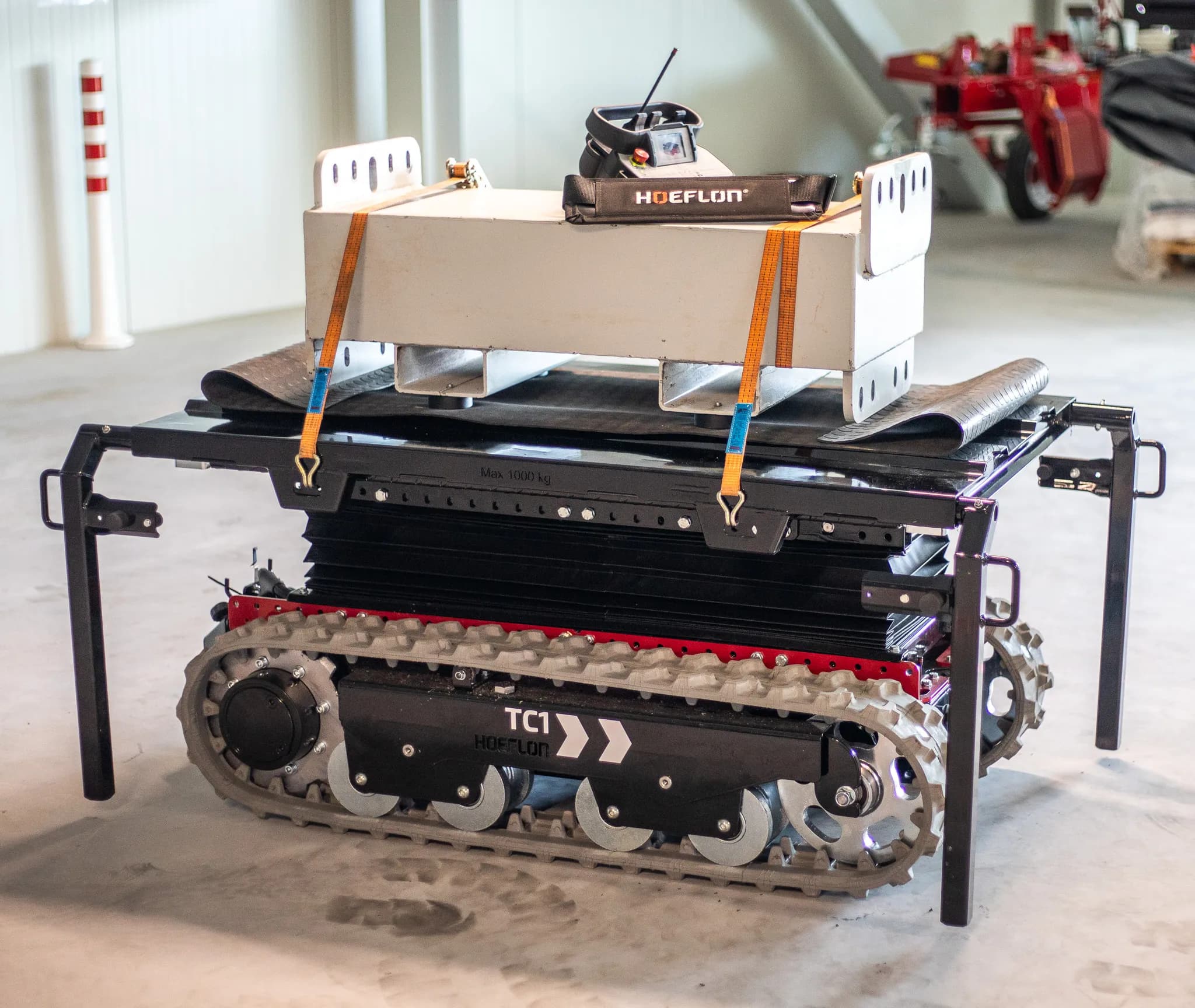
For organizations with heavy short transport movements
This application is relevant for companies that regularly need to move heavy loads over narrow, varying, or non-flat routes.
• Logistics companies • Depots and distribution environments • Construction and renovation companies • Manufacturing companies • Technical service providers • Installation and assembly companies
From routing problem to compact transport solution
Describe the starting and ending points
Where does the current transport stop, and where does the load ultimately need to go?
Map out the route
Which passages, thresholds, ramps, surfaces, and obstacles play a role?
Determine burden and frequency
Hoeflon takes into account weight, size, repetition, and required execution.
Test the application
Where necessary, the carrier can be inspected or tested on a similar route.
Contact Wessel
Tell Wessel how your gangway is used, what material needs to be transported, and what integration requirements apply. Hoeflon helps determine the right carrier, technical connection, and next step.