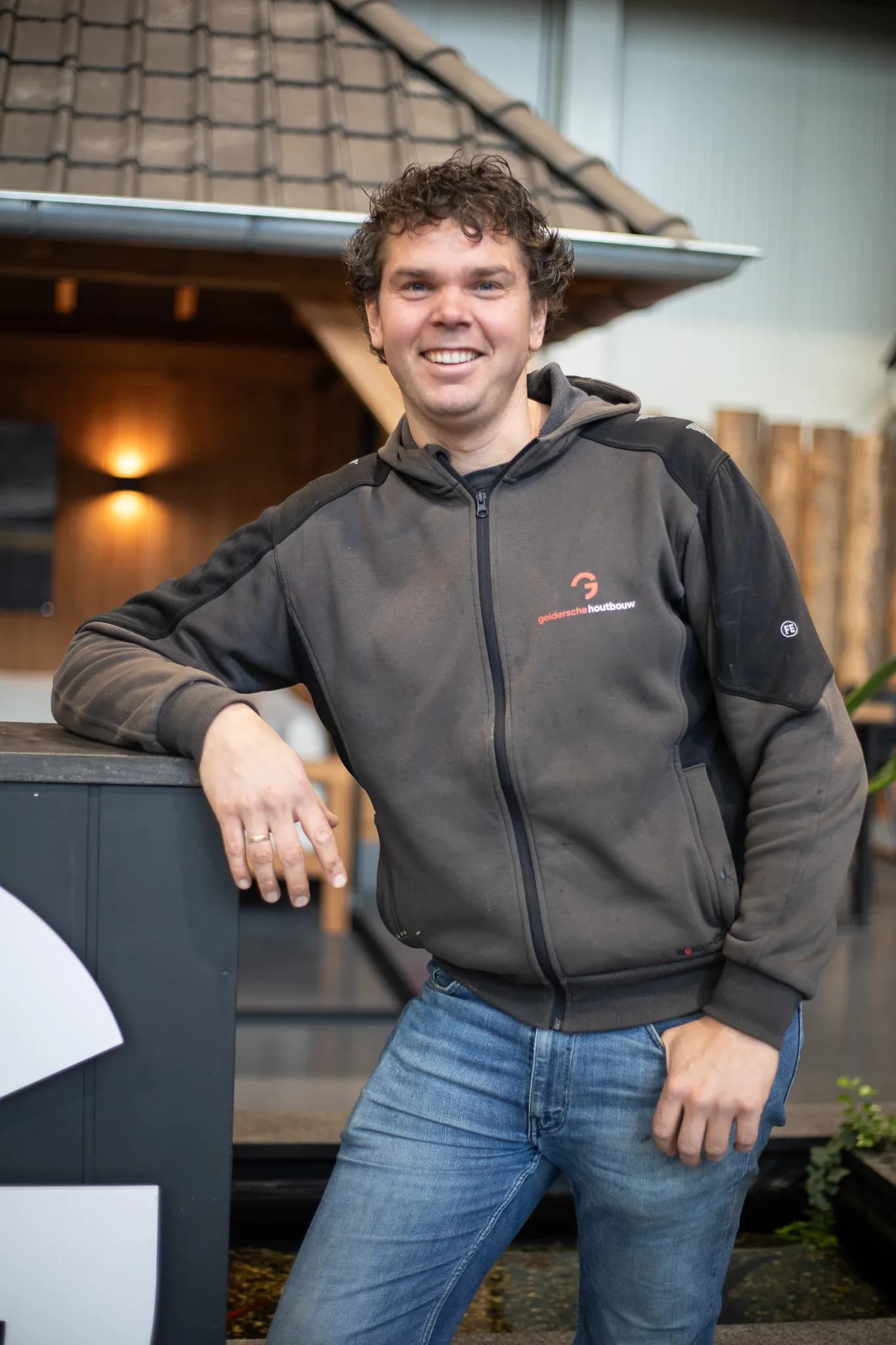
Bart Pul
Work planner, Geldersche Houtbouw
"With a Hoeflon we ensure that it does fit"
In conversation with Bart Pul, work planner at Geldersche Houtbouw
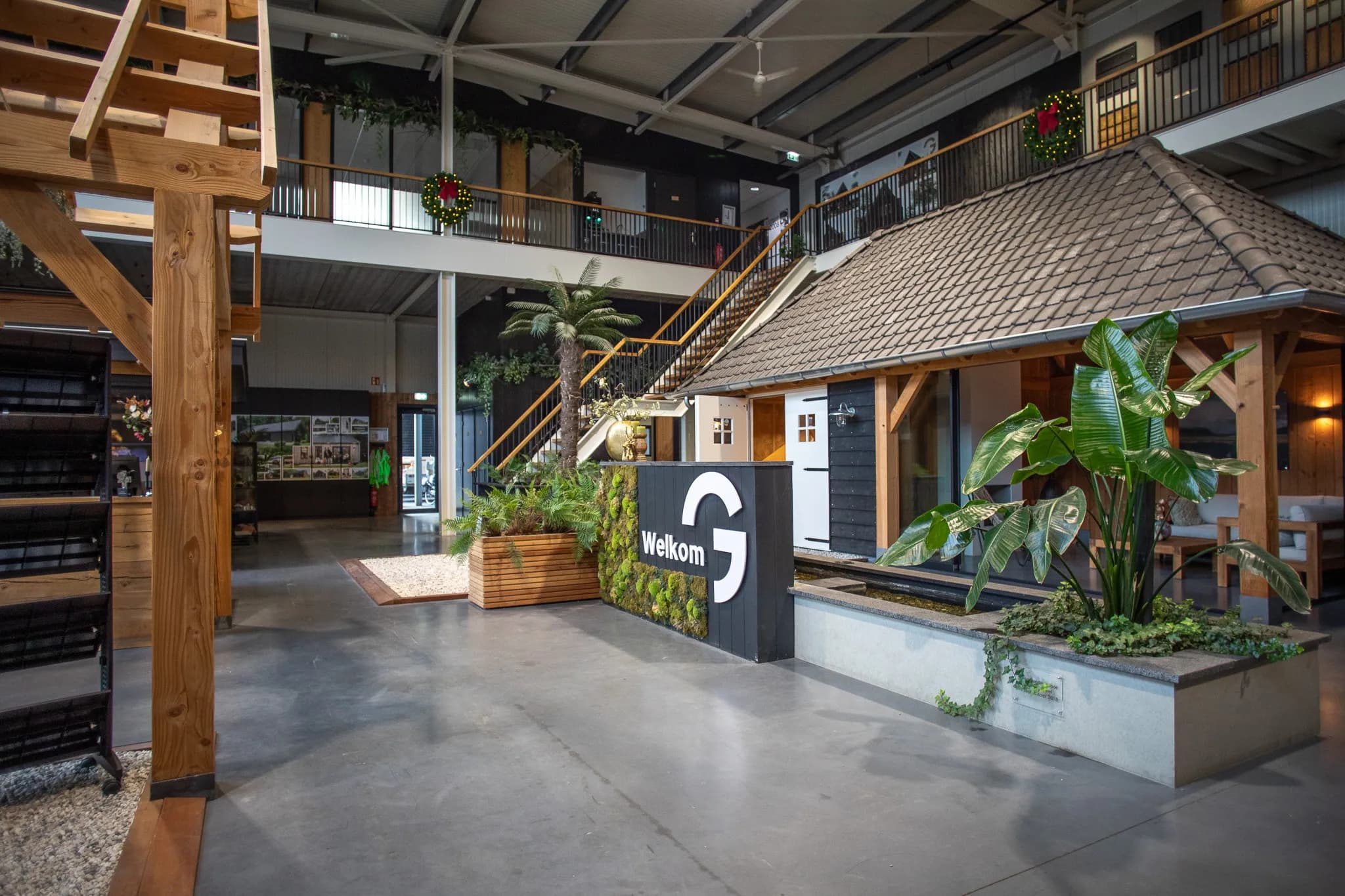
Geldersche Houtbouw is a company that, in just over fifteen years, has grown from a small business specializing in chicken coops and aviaries to a leading builder of wooden buildings, sheds, assisted living homes, and complete houses. We spoke with construction planner Bart Pul about the company's development and the use of Hoeflon cranes.
How it started
"Geldersche Houtbouw was founded in 2008," Bart begins. "We used to primarily make chicken coops and aviaries, and that kept growing. Goos Mulder started this together with his brother-in-law, Jan van 't Foort. The two decided to expand their business to include barn construction.
Due to the great success of the shed construction business, it became independent, resulting in the creation of Geldersche Houtbouw, led by Goos. He and a team of carpenters continued building sheds. We did everything by hand: carrying, lifting, often in people's back gardens."
How did you end up at Hoeflon?
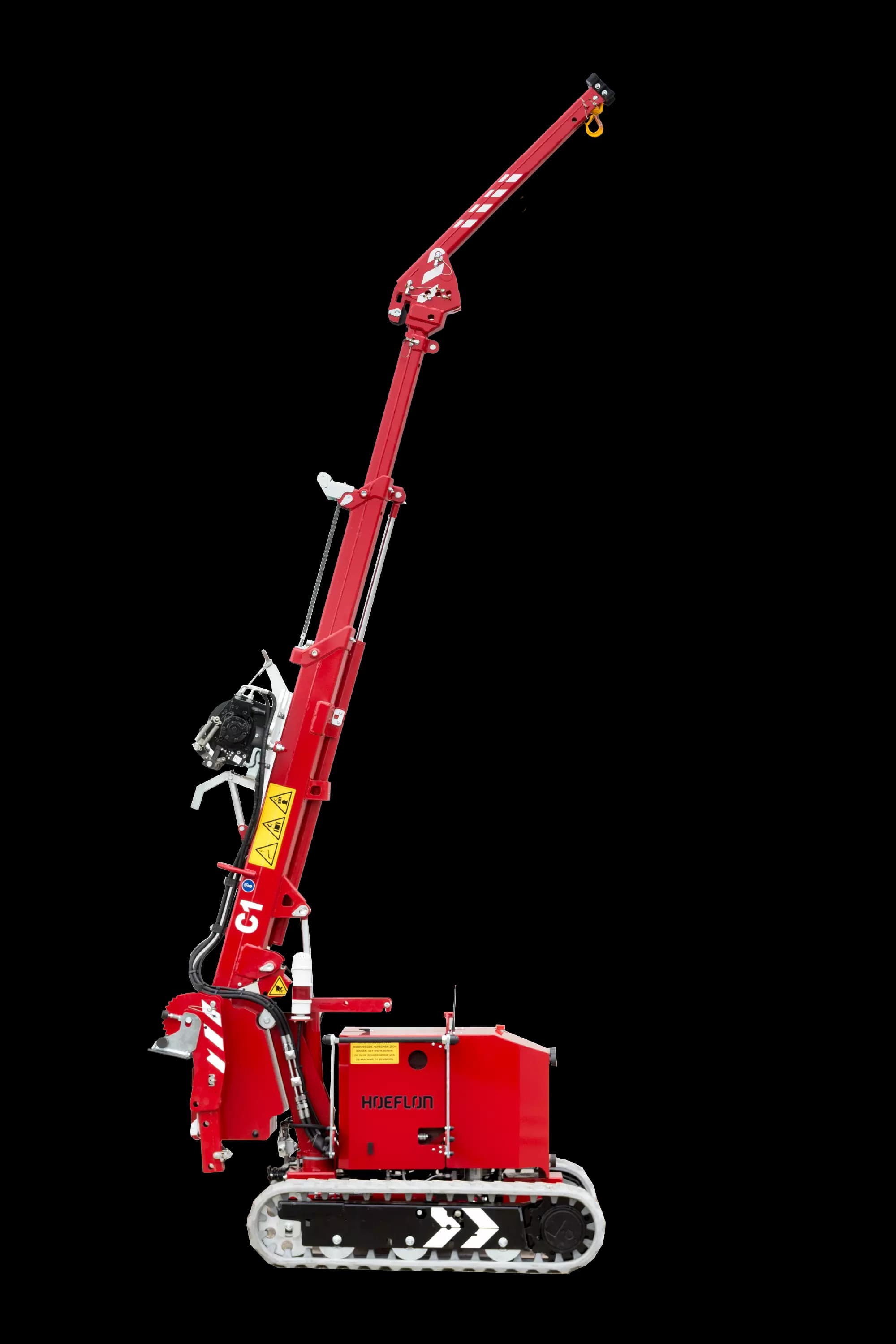
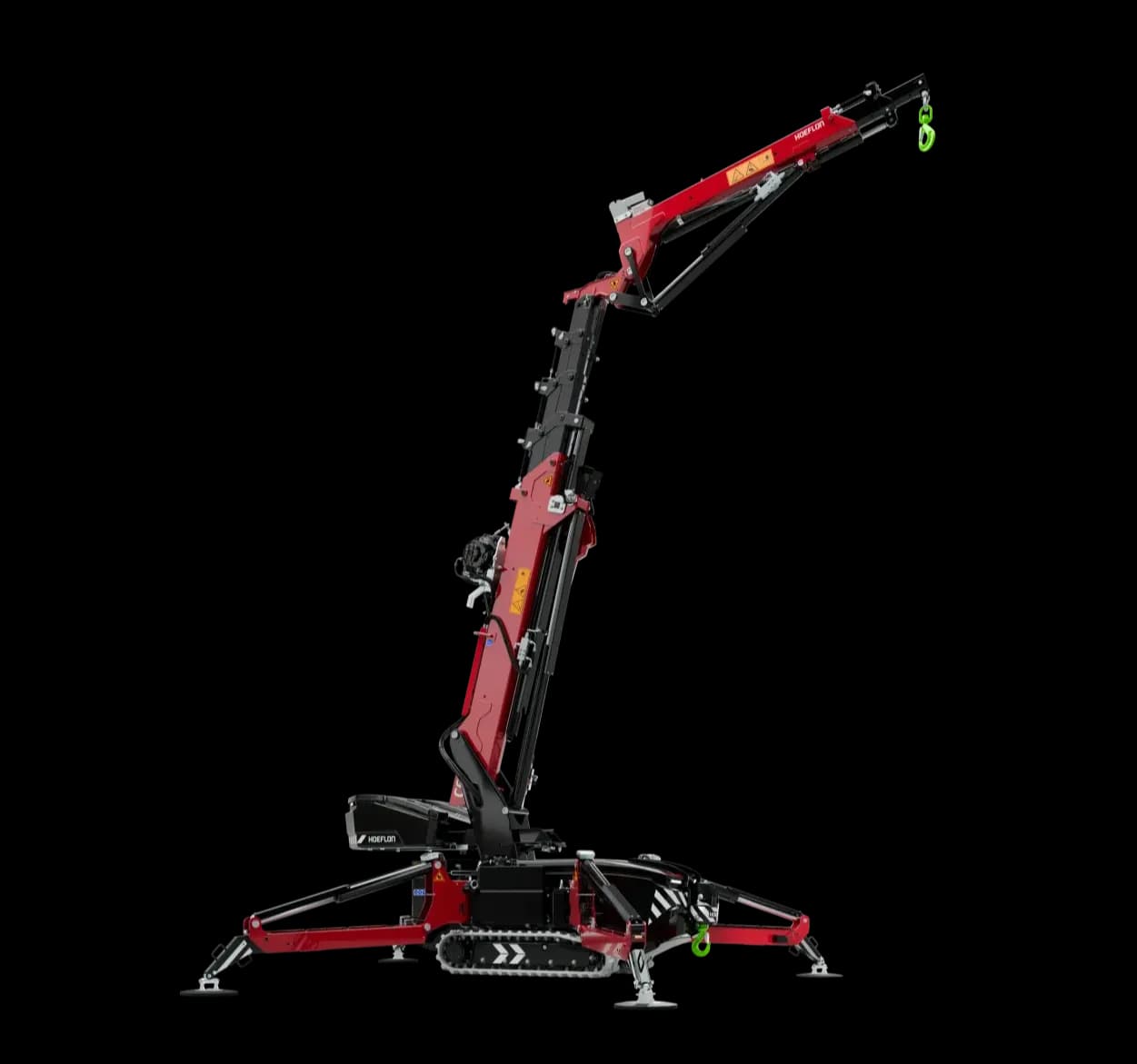
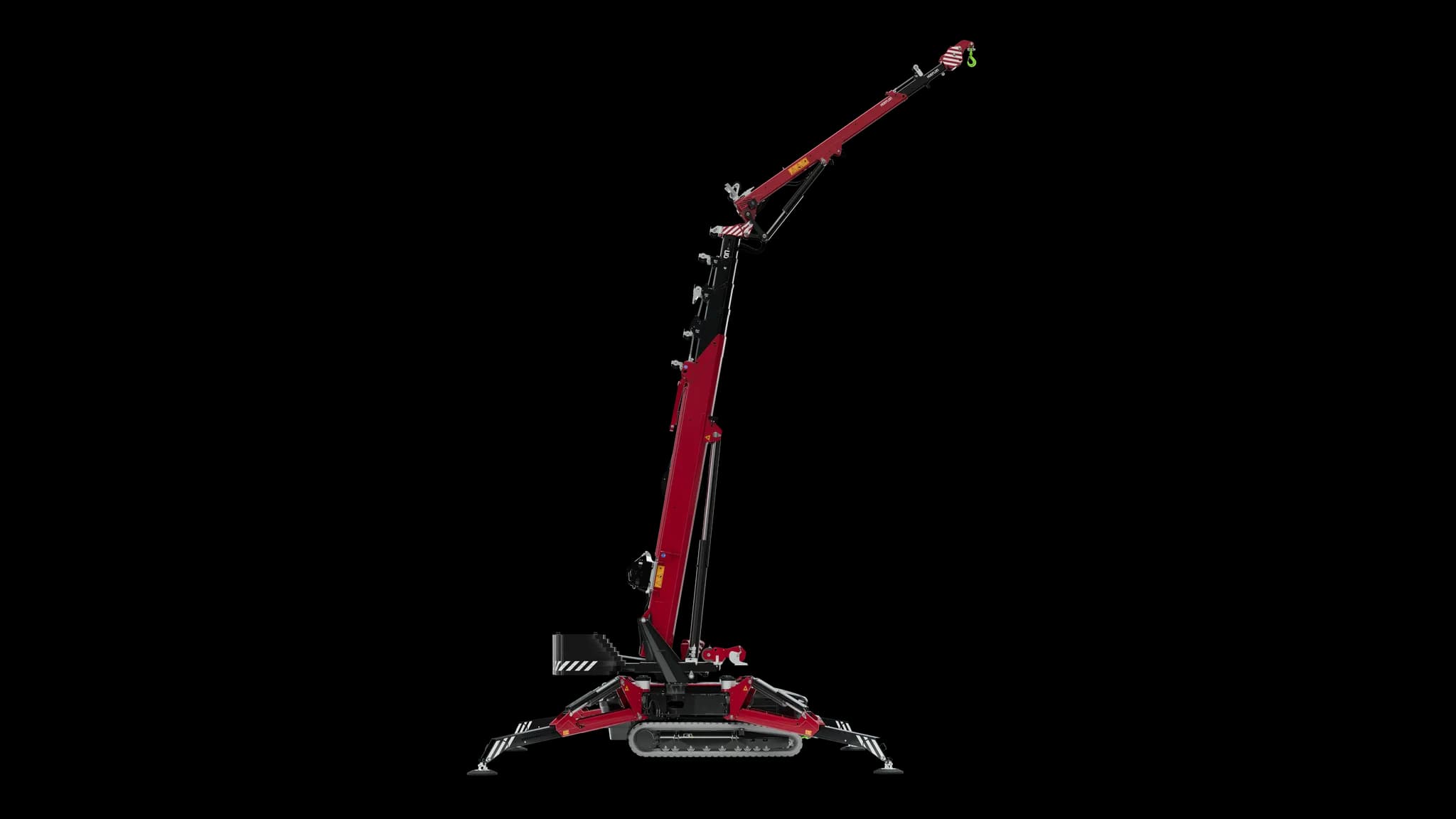
We were at a construction fair and said to each other: if we want to make our bulkheads bigger, we can also start lifting them. That's when we bought our first crane, a Hoeflon C6, sometime in 2008 or 2009. We bought it together with Rotac so we could also rent it out, because we didn't have daily work for it yet.
That rental turned out to be barely necessary. "We probably rented it out five times. Meanwhile, he was on the road every day for our own projects. We had that C6 for at least ten years."
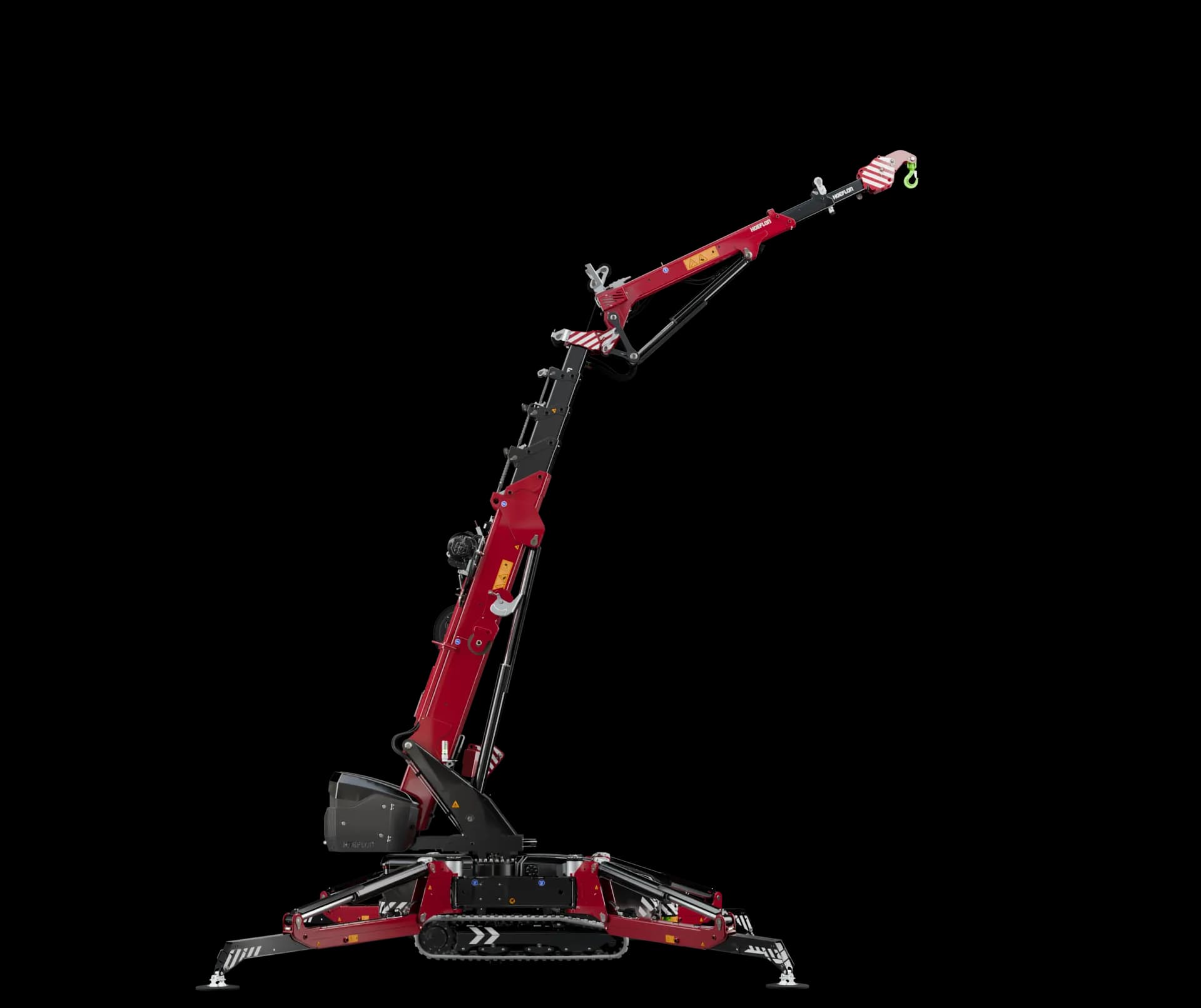
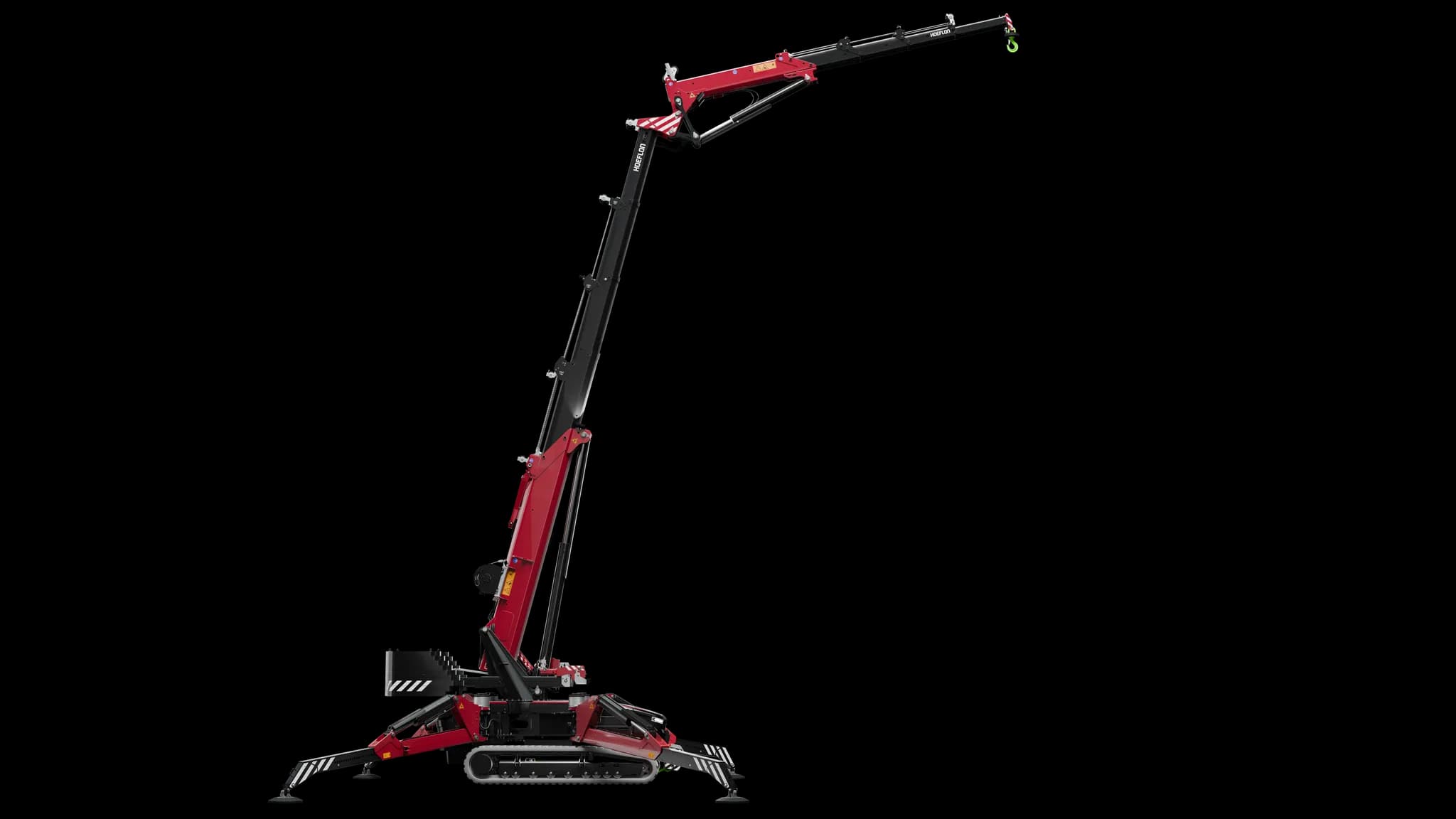
Projects kept getting bigger. "As we grew to include complete homes, the C6 became too light. It often ran too heavy, and after ten years, it was naturally a bit old. Then the question was: go back to a C6 or upgrade to the C10? We traded in the C6 for the C10 this year, which has now been running for six months."
Why a Hoeflon?
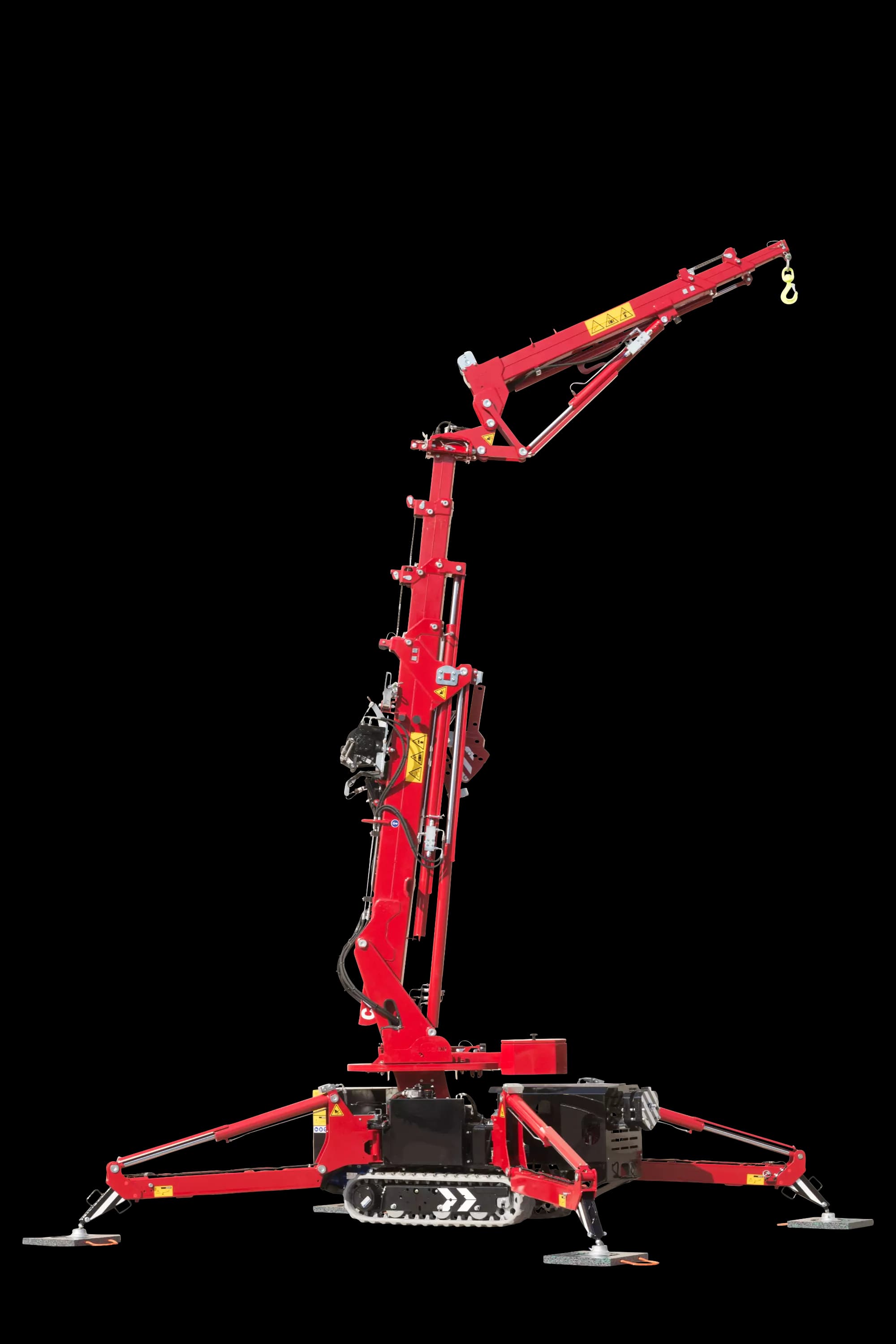
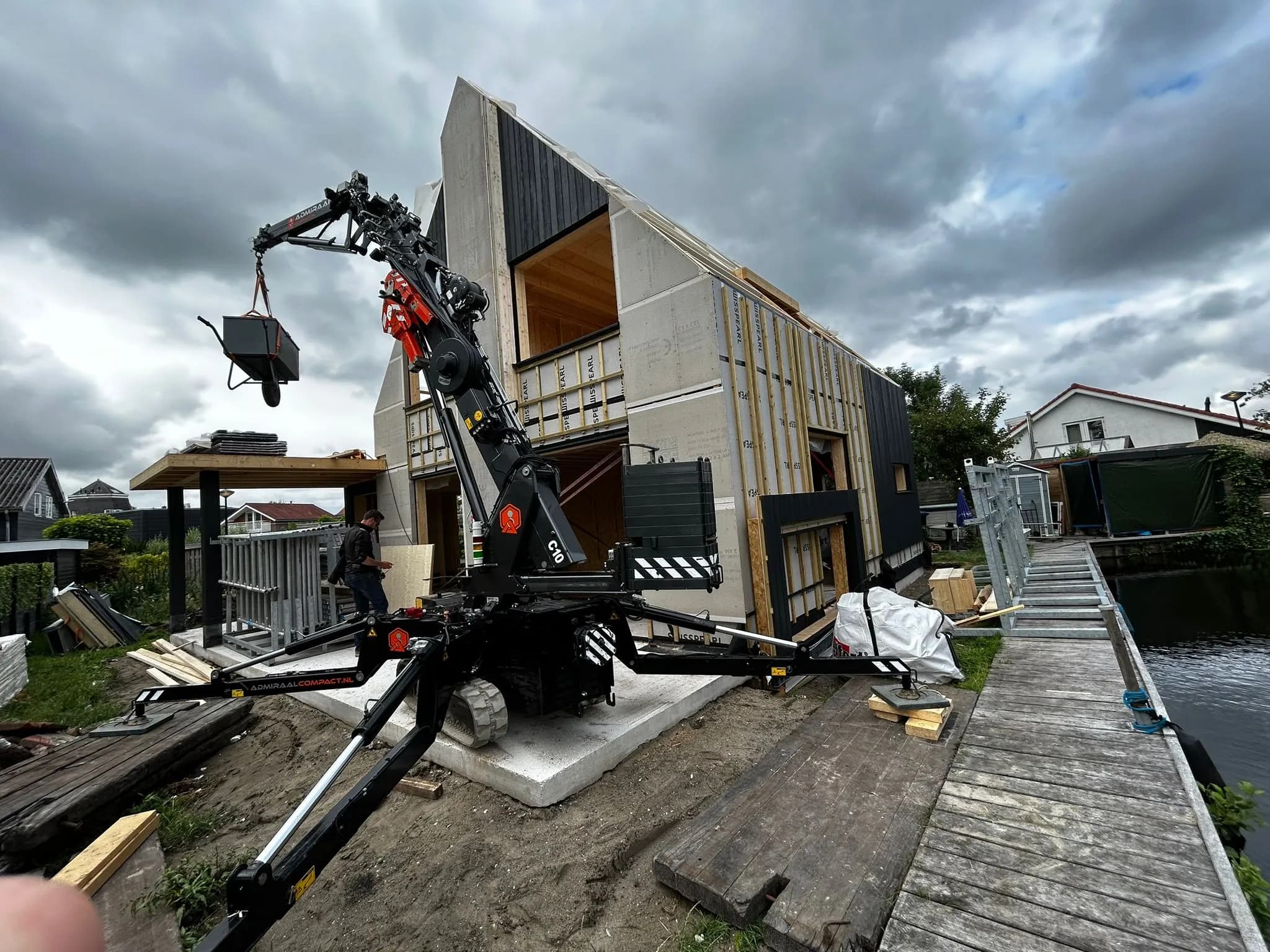
"We use the Hoeflon primarily for the tight spaces," explains Bart. "We reach places where a larger crane simply can't. That's practically the case every day. The C10 is also quite powerful, allowing us to make our elements larger."
He's positive about his experiences: "The C6 always worked well, we hardly had any problems with it. Later, we occasionally rented a C10e. The guys were very happy with it. That was ultimately the reason we bought one ourselves."
How is the crane used?
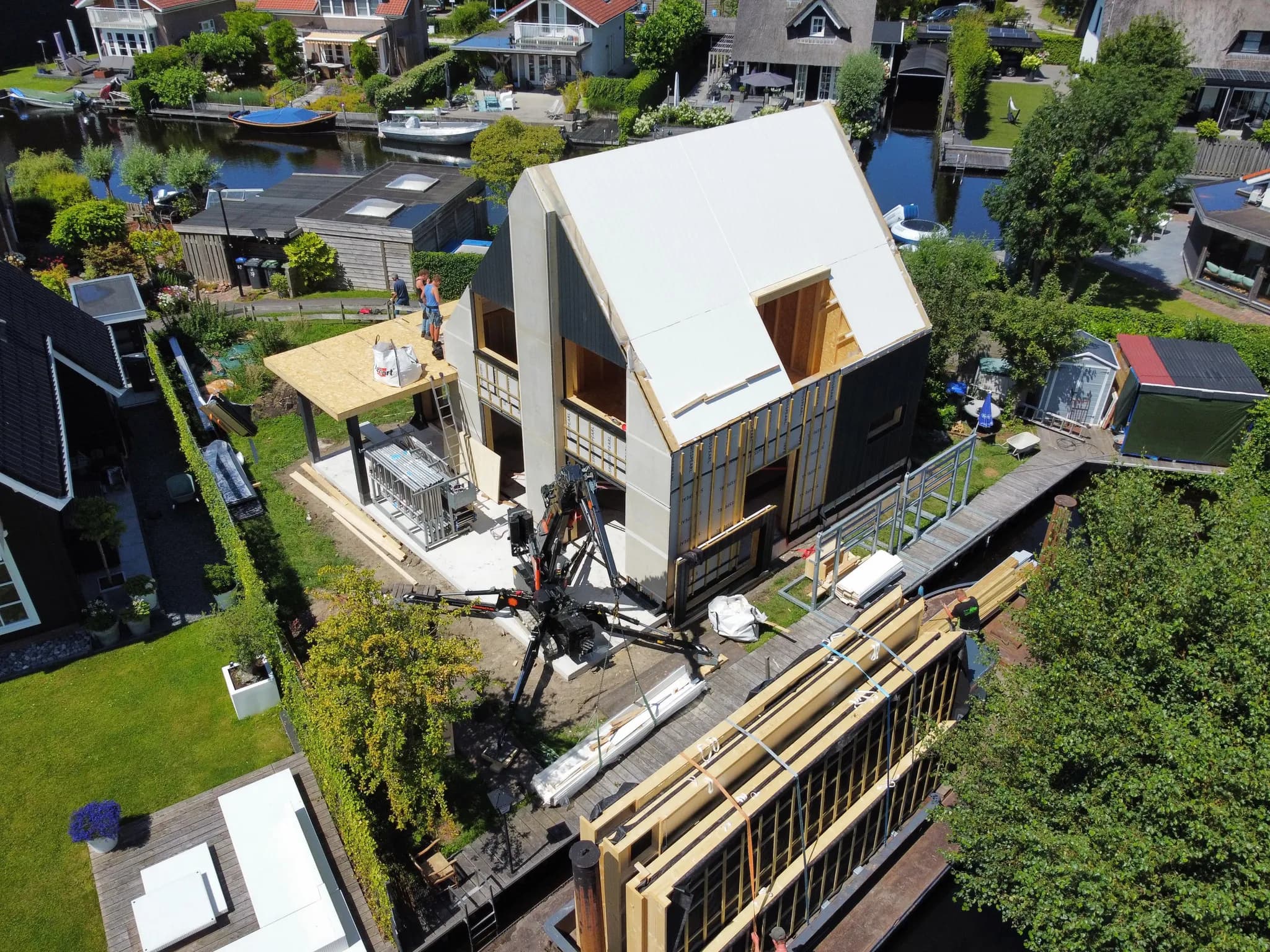
We always have a team of two people. One person carries the cart with the walls, and the other drives the van with the Hoeflon crane. Our construction projects often take longer, so the crane is usually at the same location for a week. We use the crane to install elements like bulkheads, roofs, and upper floors.
Electrical work
"Officially, new construction projects are always required to be electric," Bart explains. "A nitrogen protocol is then drawn up that mandates that. That's simply the direction the construction industry is moving."
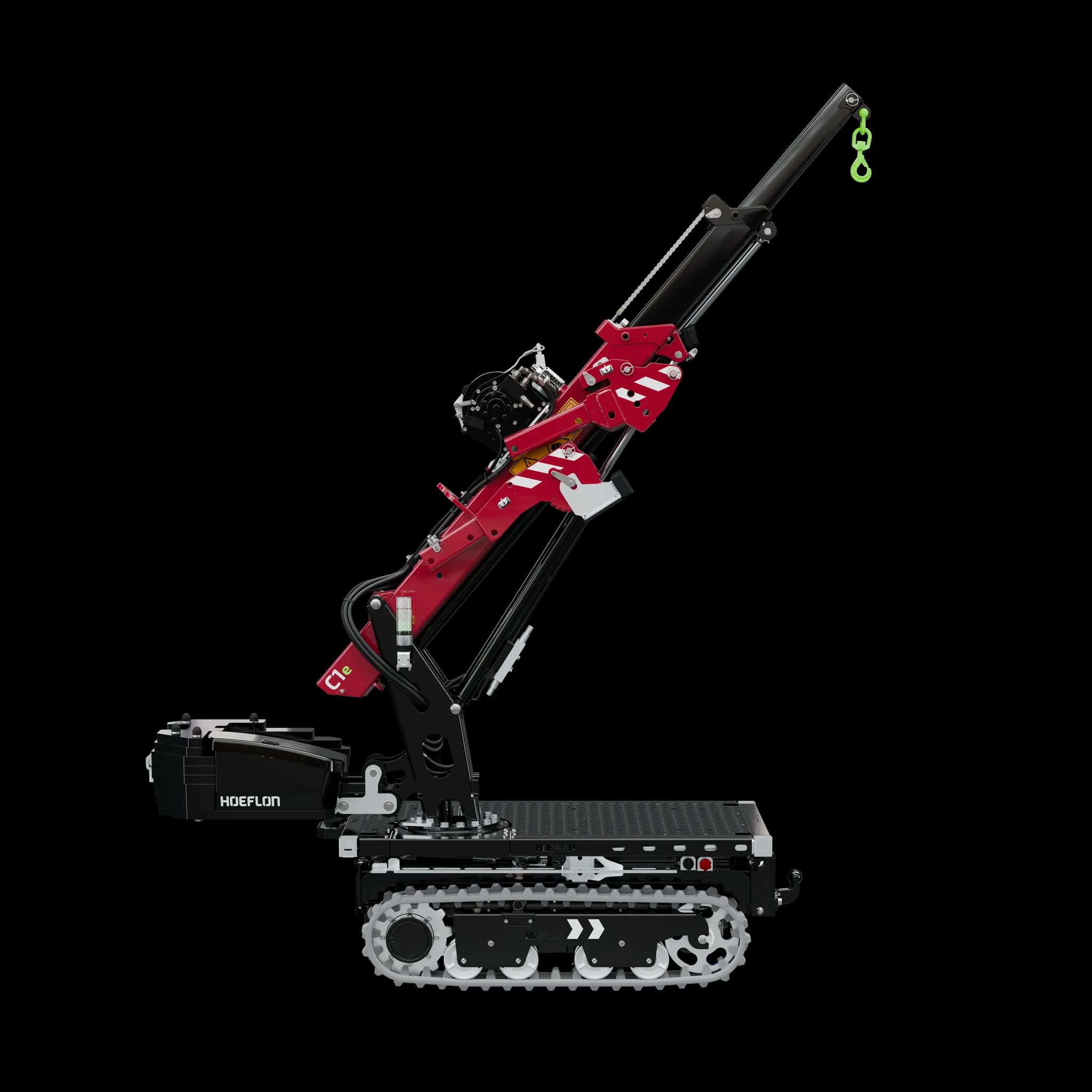
The team also experiences immediate benefits on the construction site. "It's ideal for the guys. When we previously hired an electric C10, they were immediately enthusiastic: no noise. It's quieter, cleaner, and more pleasant for everyone around it."
When it's tight, it gets fun
"When it's tight, it gets fun. Just recently: we put a C30 on a boat and sailed across to build on an island. A C10 was waiting there. The C30 lifted everything onto the dock, after which we could continue building."
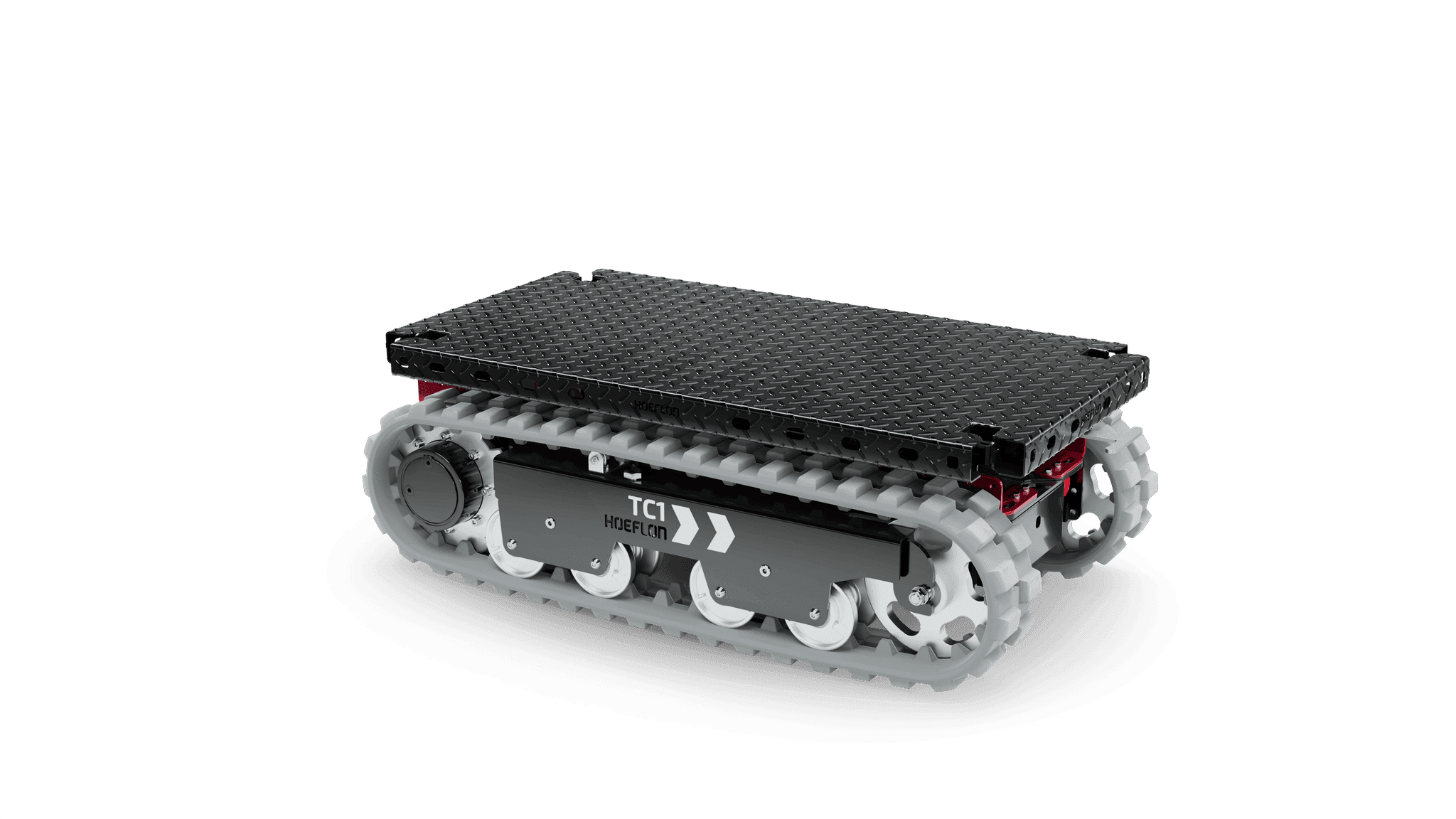
They also regularly rent extra equipment. "We often need an extra Hoeflon crane in addition to our own. Occasionally, we rent a TC1 if there are two houses right next to each other. We then place a crane with walls on it to drive between them, and the crane follows. For those kinds of jobs, it's just not quite right, and with a Hoeflon, we make it fit."
Collaboration with Hoeflon
I have nothing but praise for my contact with Hoeflon. "If there's anything, I call and it's taken care of. We hardly ever have any problems with the crane. Our contact is mainly about inspections, and every now and then a new part needs to be ordered."
How do you see the future of Geldersche Houtbouw?
We're a continuously growing company. We started with five or six employees. Now we have 120 people. Our slogan is 'gives space.' Space through the buildings we build, but also space for our people to grow. By offering challenges to our employees, the company grows naturally.
Production remains stable in terms of volume. "We're still making 300 to 400 buildings a year. It's just not chicken coops anymore, but also houses, holiday parks, and other large projects."
Plans for expansion?
"We're happy with Hoeflon. No new crane for now... but that could change next year," Bart says with a laugh.